Blog
Blog on CNC quoting and machining
Quoting, technology and running a CNC shop. Written from the shop floor, not the marketing desk.
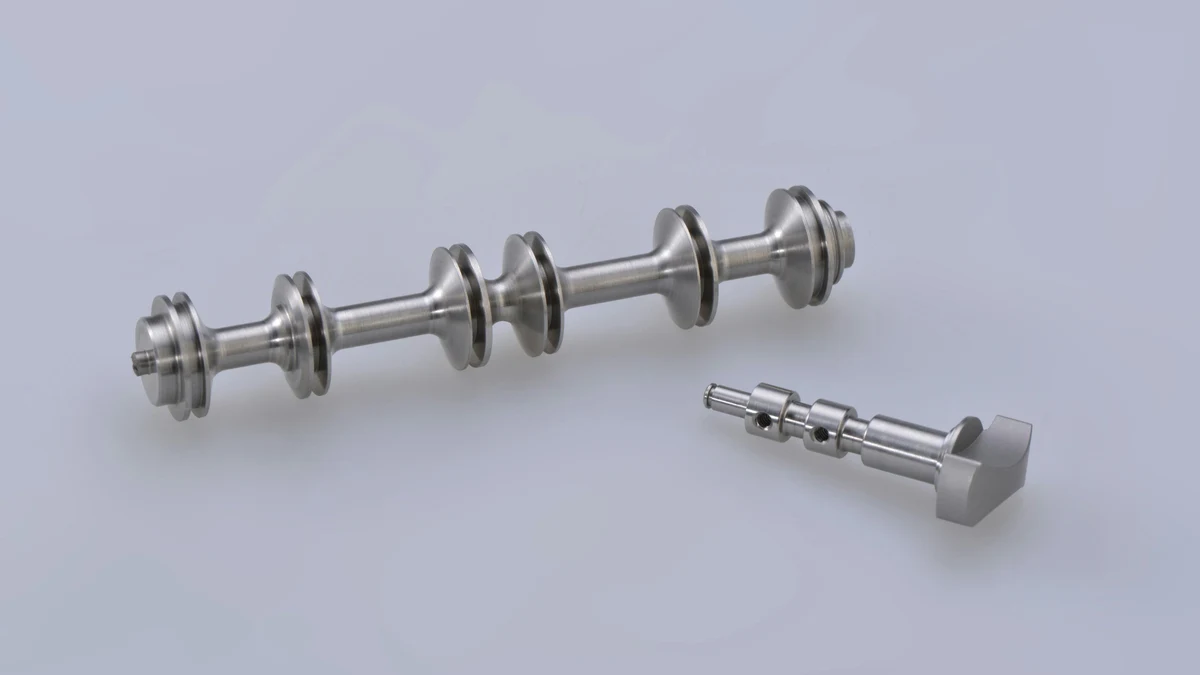
ISO Fit Tolerance Chart and Fit Types
Fit types, a fit tolerance chart with clearances and interferences for common H7 pairs, and how to choose a fit for rotation, sliding, location and bearings.
Read more
IT Tolerance Grades: How ISO 286 Works
Where IT values come from, how a grade differs from a fundamental deviation and which grade turning, reaming or grinding achieves.
Read more
CAM Software: How It Works and How to Choose
How a CAM system works, what it does and how SolidCAM, Mastercam, hyperMILL, WORKNC and VISI differ. Plus licensing, free options and a selection checklist.
Read more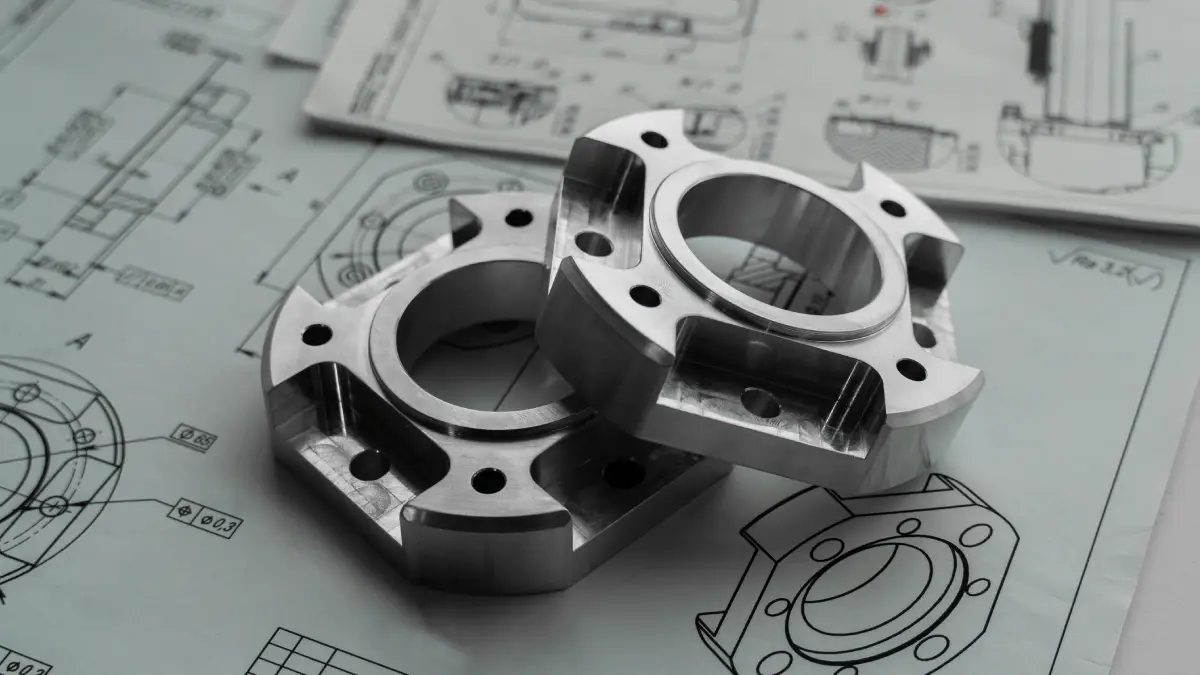
Machining Process Plan: Steps and a Shaft Example
What a machining process plan consists of and how to build one. A C45 steel shaft taken operation by operation, with setup times, unit times and setup costs.
Read more
Machining Process Sheet: Contents and Template
A process sheet tells the shop how a part is made and how long it takes. What it should contain, how to fill it in, plus a free template and a shaft example.
Read more
Surface Roughness Measurement: Tools and Results
A profilometer reading is only as good as its settings. How to choose the sampling length, which instrument to use and how to read Ra, Rz, Rk and RzJIS.
Read more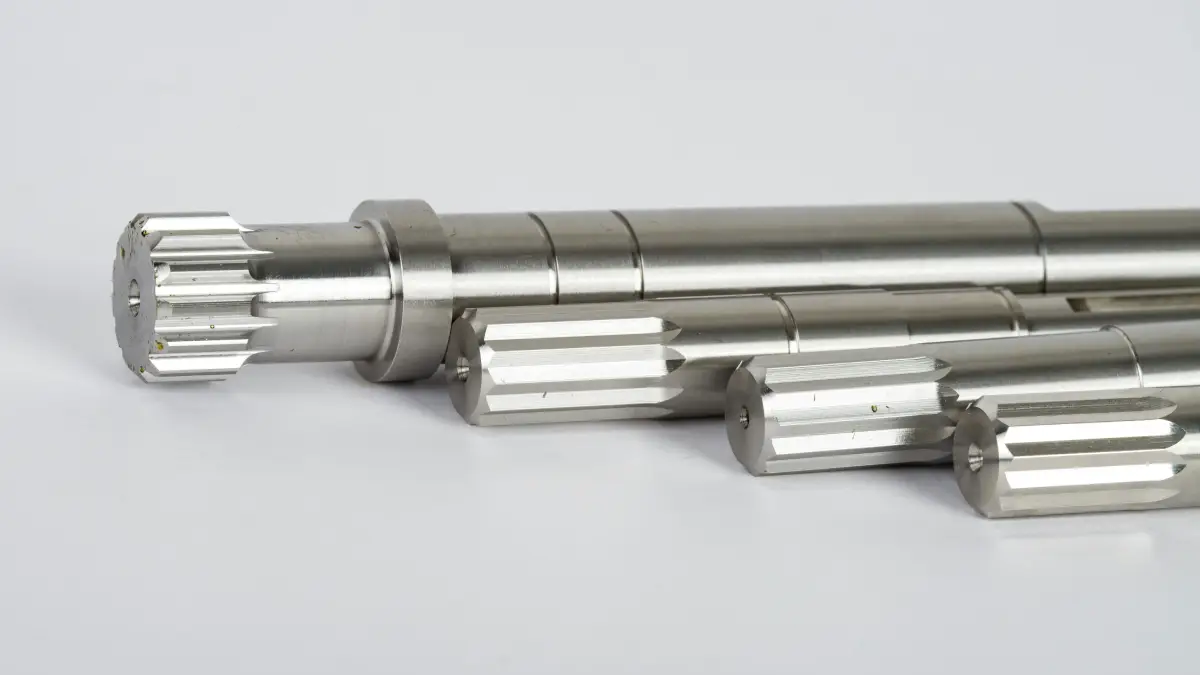
Depth of Cut: Selection, Calculation and Values
Depth of cut is the easiest parameter to understand and the easiest to get wrong. How to calculate it, match it to the insert and spot when it is too deep.
Read more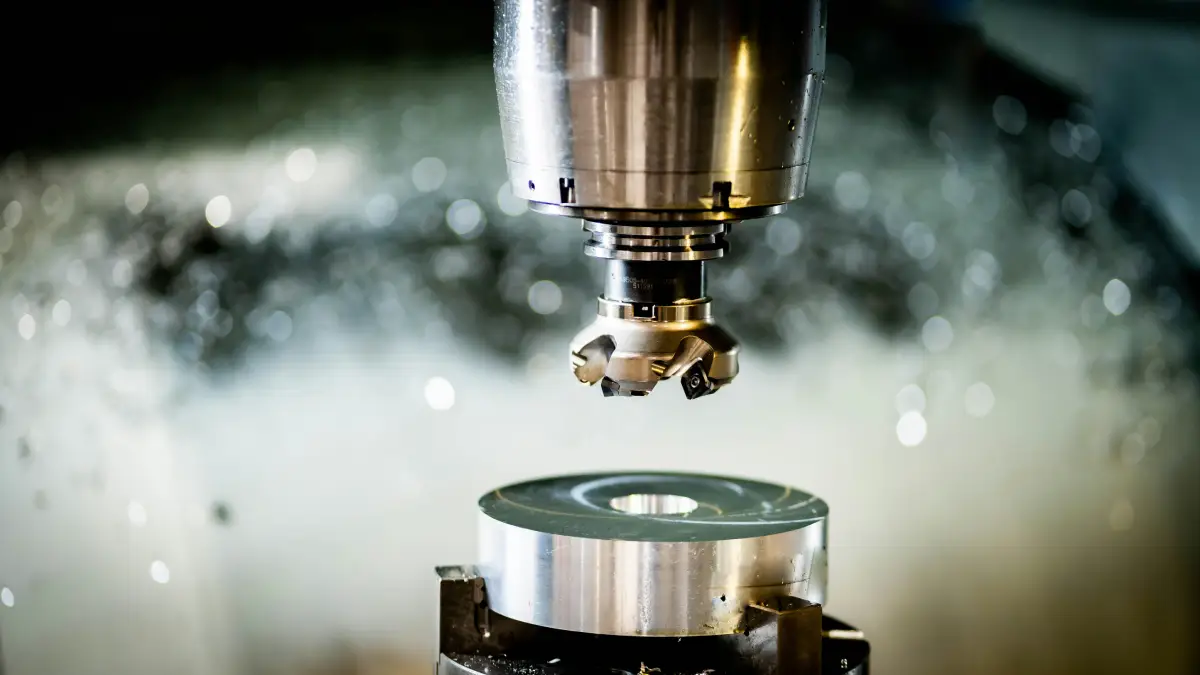
Feed Rate: Per Rev, Per Tooth and Per Minute
Feed is the most commonly confused machining parameter: three definitions, three units, one F address. We untangle fn, fz and table feed for good.
Read more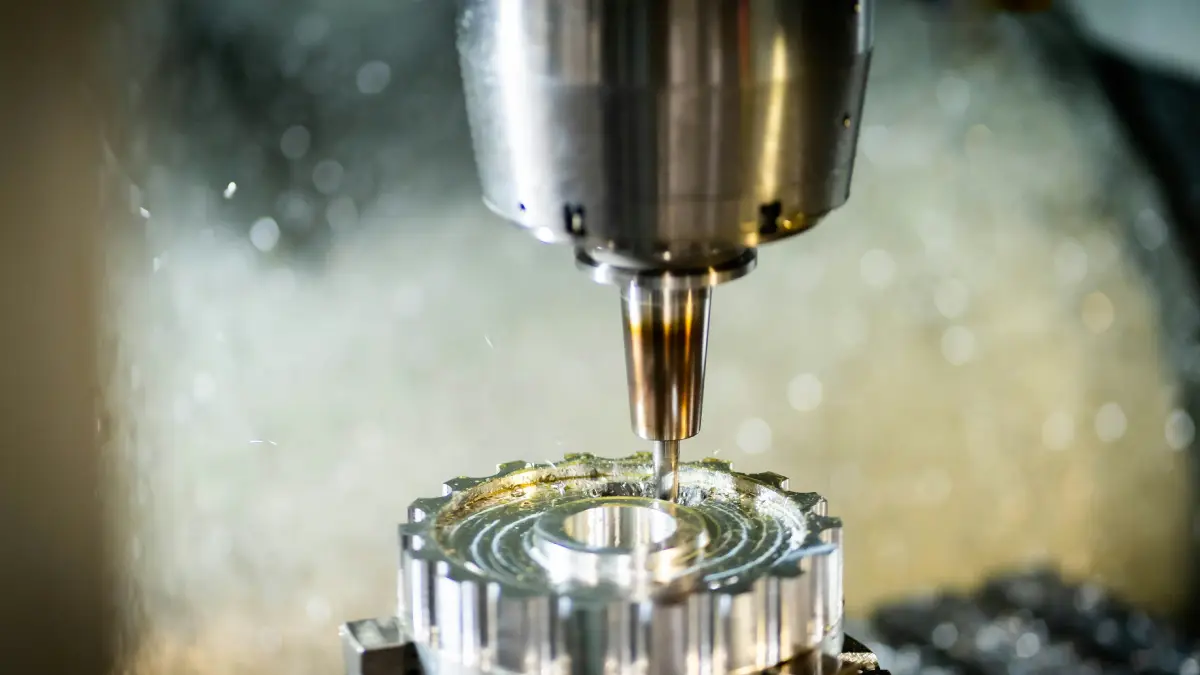
Machining Quotes: What Drives the Price
Behind every machining quote sits the same arithmetic: material, time, setup and margin. We break down what drives part prices and how to get numbers fast.
Read more
Reaming Holes: Precision Hole Machining
A drill leaves a hole too rough for press fits. We explain how reaming gives holes their final size and finish: reamer types, stock allowances and cutting data.
Read more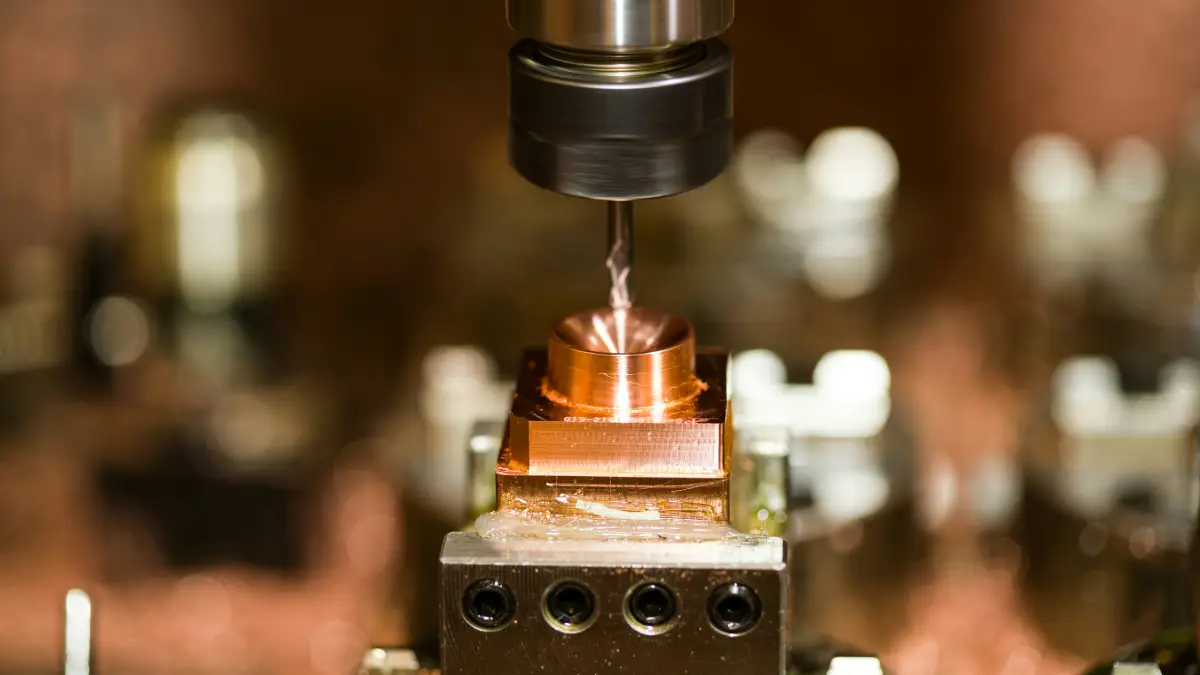
Finish Machining: Types, Stages and Surface Quality
Finish machining turns a rough shape into a finished part: it delivers size, smoothness and looks. We explain its types and why the process splits into stages.
Read more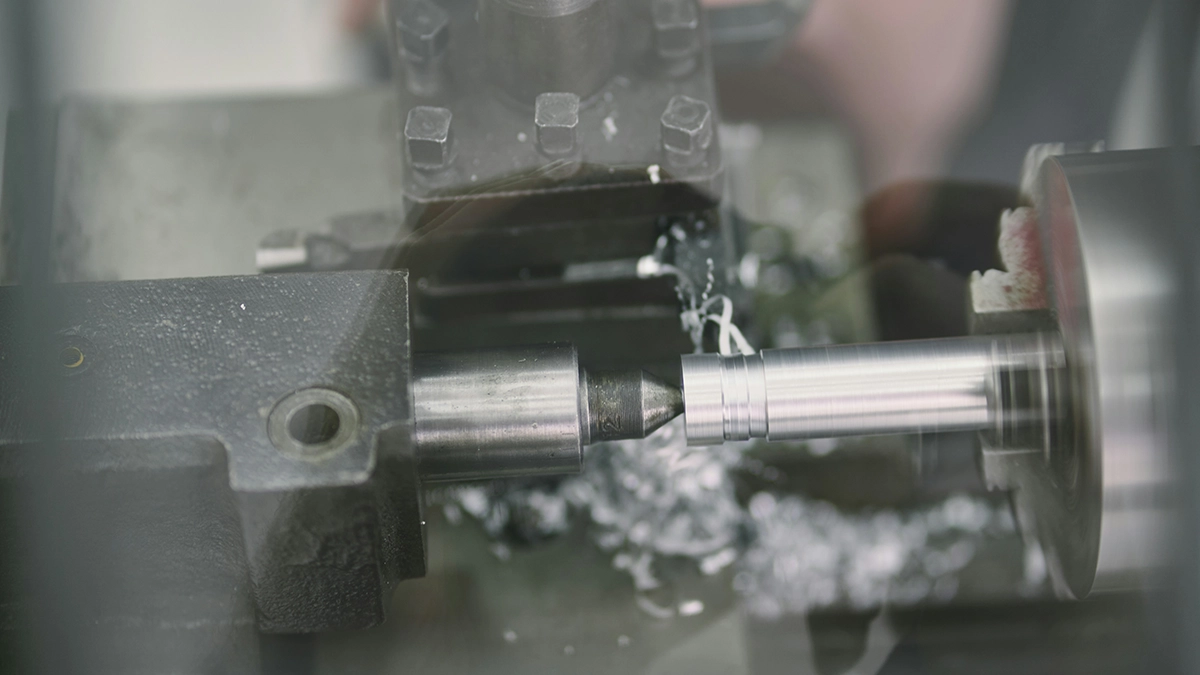
Cutting Speed: Definition, Selection and Practice
Cutting speed decides the temperature in the cutting zone, tool wear and machining cost. We explain how it differs from RPM and how to choose it well.
Read more
CNC Software: A Guide to CAD, CAM and Control Programs
Behind every part stand three programs: CAD, CAM and control. We sort CNC software by role, review tools from free to industrial and show how to match software to machine and budget.
Read more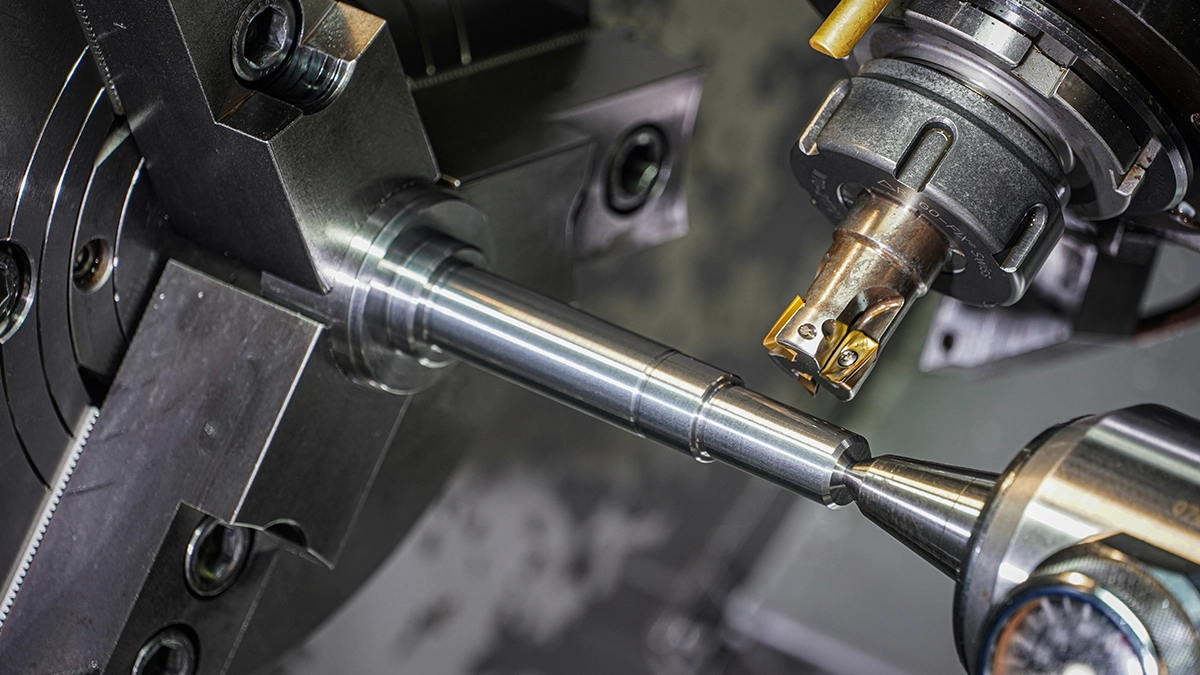
Longitudinal Turning: How It Works, Types of Turning, Cutting Parameters and Applications
Longitudinal turning is the basic operation on every lathe. We explain the kinematics, types of turning, the entering angle and parameter selection.
Read more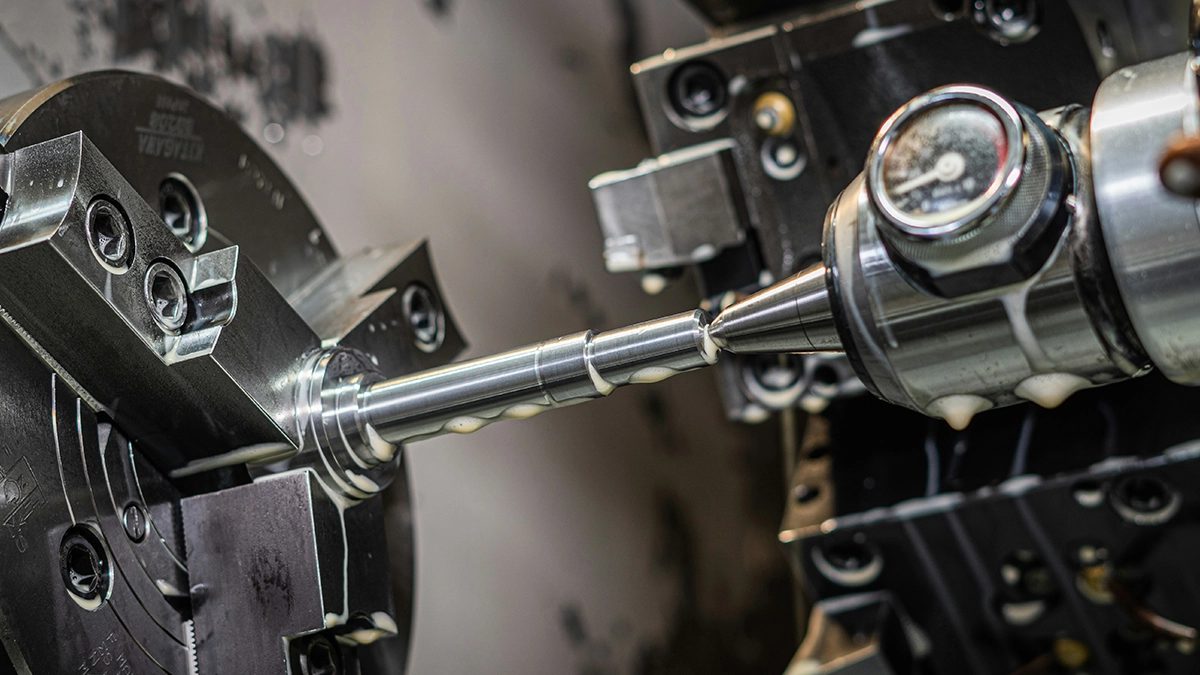
Machining: How Metal Cutting Works, Types, Accuracy and Applications
Machining is the foundation of producing machine parts: from raw bar stock to hundredth-of-a-millimetre accuracy. We explain how it works and where it is used.
Read more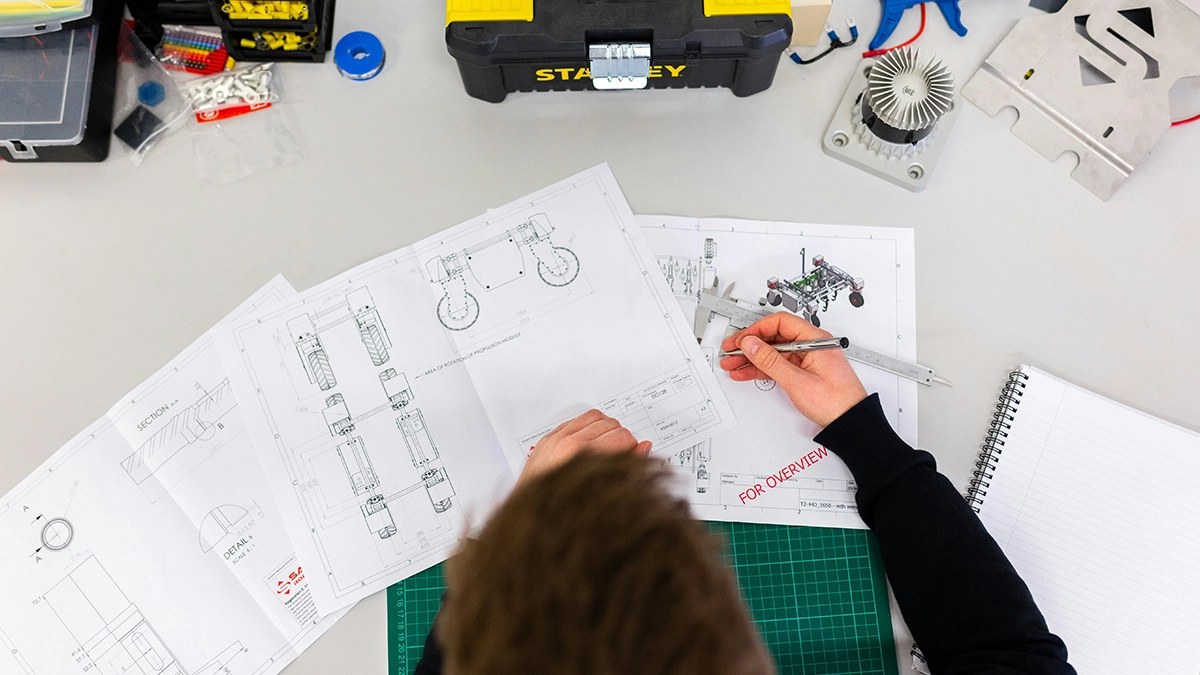
Surface Roughness Symbols and Callouts on Technical Drawings
The roughness symbol tells the machinist how smooth every surface must be. We explain the symbol, fields a-e, Ra and Rz callouts, grades and legacy symbols.
Read more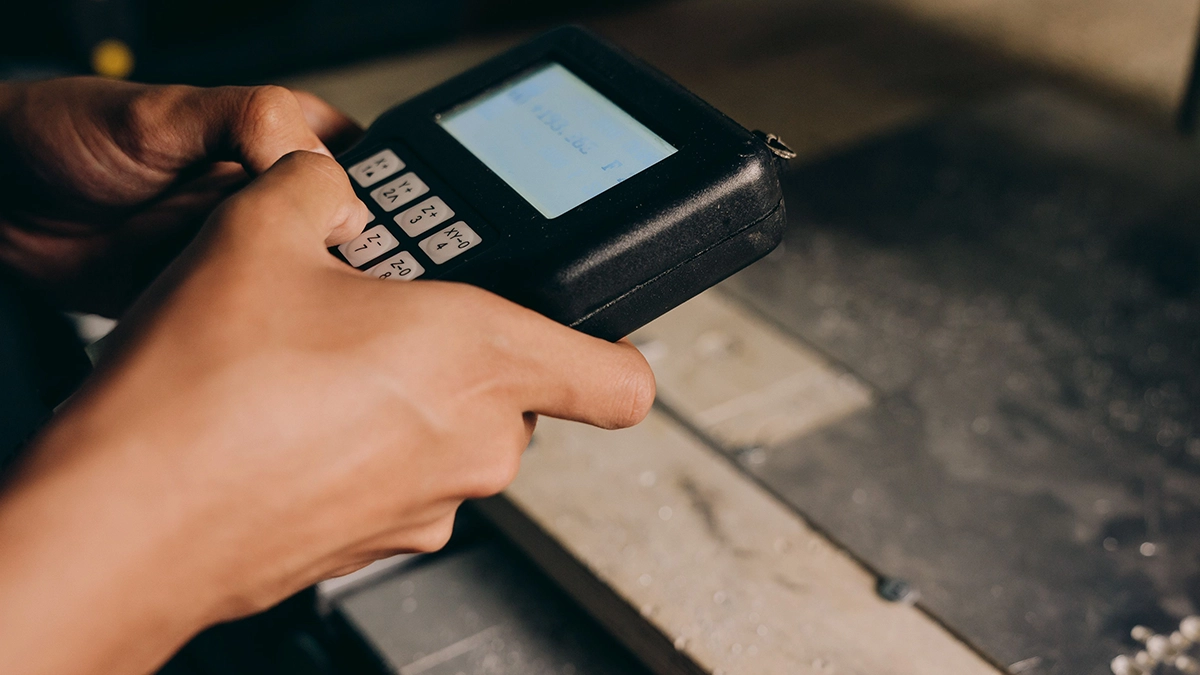
How to Calculate Cutting Speed, RPM and Feed
Cutting speed, RPM and feed decide tool life, surface quality and machining time. We show the formulas, worked examples and typical values to plug in.
Read more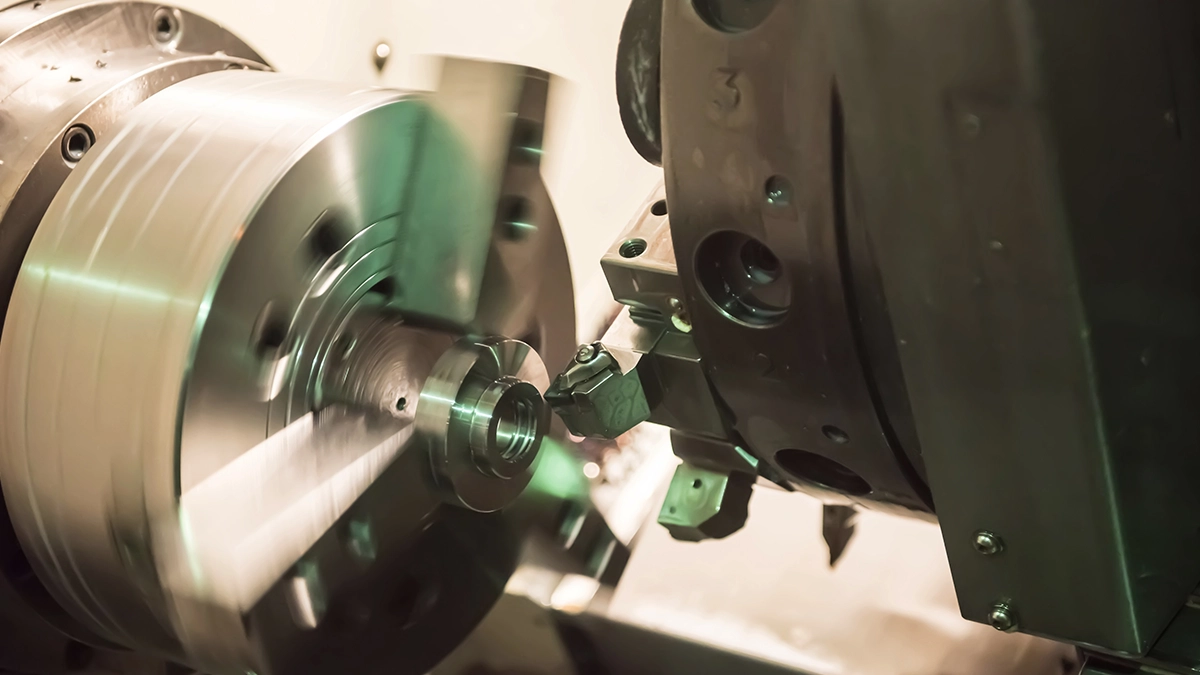
Cutting Tools: Types, Design and How to Choose the Right Ones
Turning tools, mills, drills and saws - cutting tools do all the real work on a machine tool. We explain tool types, design and materials, and advise how to choose the right tool for the operation.
Read more
G-code Essential Commands and CNC Programming
G-code is the language almost every CNC machine speaks. A list of G- and M-codes with descriptions, essential commands, machine zero and a sample program.
Read more
Surface Roughness: Ra, Rz, Grades and Tables
What surface roughness is, what Ra and Rz tell you, how to convert Ra to Rz and which roughness grades you will meet on drawings. With tables.
Read more
CNC Machining: What It Is, How It Works, and Why It Powers Modern Industry
CNC machining is the standard way of producing precision parts. We explain how cutting works, the main methods and advantages, and what drives the price.
Read more
The Most Expensive Minute Is the One When the Machine Stands Still
Intuition says the price of a CNC part comes from cutting. In a real machine shop, the tool is often cutting for less than half of the time you are billed for. This article is about the invisible half of the price and how to shrink it.
Read more
The Price of One Decimal Place: How Tolerances Drive the Cost of CNC Parts
ISO 2768, H7 fits, Ra surface finish - how drawing tolerances drive the price of CNC parts, and which ones you can safely loosen to pay less.
Read more
From 1972 Time-Norm Tables to Algorithms. Why CNC Quoting Still Works Like It Did Half a Century Ago
The science of machining time estimation was solved decades ago. We explain why quoting became the last manual task in the CNC shop - and what changes it.
Read moreGot a topic we should cover? Let us know: contact@metronq.com